

Exploring the Connection Between Cannabis and Fertility
Cannabis has become increasingly popular in recent years, with many people using it for various reasons. While some people use cannabis for medicinal purposes, others use it for recreational purposes. However, many people are still unsure about the impact of cannabis on fertility. In this article, we will explore the effects of cannabis on fertility and what you need to know if you are trying to conceive.
The endocannabinoid system (ECS) is a complex cell-signaling system that plays a crucial role in regulating many physiological processes in the body, including fertility. The ECS is composed of three main components: cannabinoid receptors, endocannabinoids, and enzymes. Cannabinoid receptors are found throughout the body, including the reproductive system, and they interact with endocannabinoids and cannabinoids to regulate various physiological processes. Endocannabinoids are molecules produced naturally by the body that are similar in structure to cannabinoids, which are found in cannabis. These endocannabinoids play a vital role in regulating the reproductive system, and disruptions to the ECS can have a significant impact on fertility. Researchers are still exploring the complexities of the ECS and how it interacts with cannabinoids from cannabis, but it is clear that this system plays a critical role in reproductive health.
The Impact of Cannabis on Male Fertility
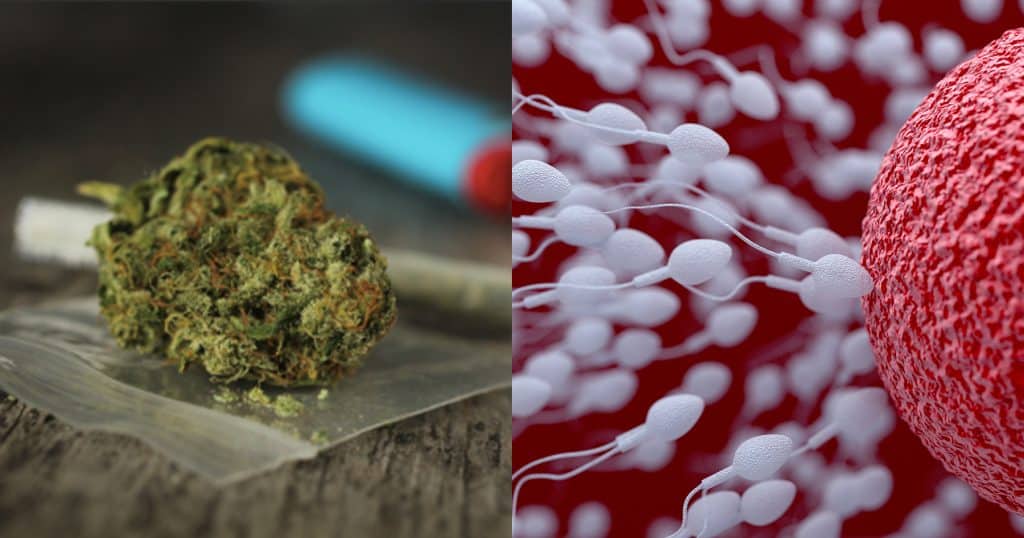
Cannabis use can have a significant impact on male fertility. Research has shown that cannabis use can reduce sperm count, motility, and morphology. THC, the psychoactive compound in cannabis, can bind to receptors in the endocannabinoid system, disrupting the balance of hormones responsible for regulating sperm production. Chronic cannabis use has also been linked to hormonal imbalances, which can further impact fertility. However, it is important to note that the effects of cannabis on male fertility are reversible, and stopping cannabis use can restore fertility. Studies have shown that sperm quality can improve after only a few weeks of abstaining from cannabis use. It is recommended that men who are trying to conceive or having difficulty conceiving should avoid cannabis use to optimize their chances of success.
The Impact of Cannabis on Female Fertility
The impact of cannabis on female fertility is a topic that has gained increased attention in recent years. Studies have shown that cannabis use can have negative effects on the menstrual cycle, which can make it more difficult for women to conceive. The psychoactive compound in cannabis, THC, can disrupt the normal hormonal balance, which can lead to irregular periods or even the absence of periods altogether. In addition to menstrual disruptions, cannabis use can also affect the quality and quantity of eggs. THC can impair the ovulation process, reduce the number of viable eggs, and cause chromosomal abnormalities in the eggs. Cannabis use during pregnancy can also have adverse effects on fetal development, including an increased risk of preterm labor and low birth weight. Therefore, it is important for women who are trying to conceive or are pregnant to avoid cannabis use to minimize the risk of fertility and pregnancy complications.
The Role of CBD in Fertility

CBD, or cannabidiol, is a compound found in cannabis that has gained significant attention for its potential health benefits. CBD is non-psychoactive, meaning it does not produce the euphoric effects associated with THC. CBD has been studied for its anti-inflammatory properties, which have shown potential for reducing pain, anxiety, and stress. In terms of fertility, research has shown that CBD may be beneficial for improving sperm motility and reducing abnormal sperm morphology. These effects are thought to be due to CBD’s ability to reduce oxidative stress and inflammation, both of which can negatively impact sperm health. However, more research is needed to fully understand the effects of CBD on fertility and how it may impact other aspects of reproductive health. It is always recommended to consult with a healthcare provider before using CBD or any other supplement for fertility purposes.
The Impact of Smoking on Fertility
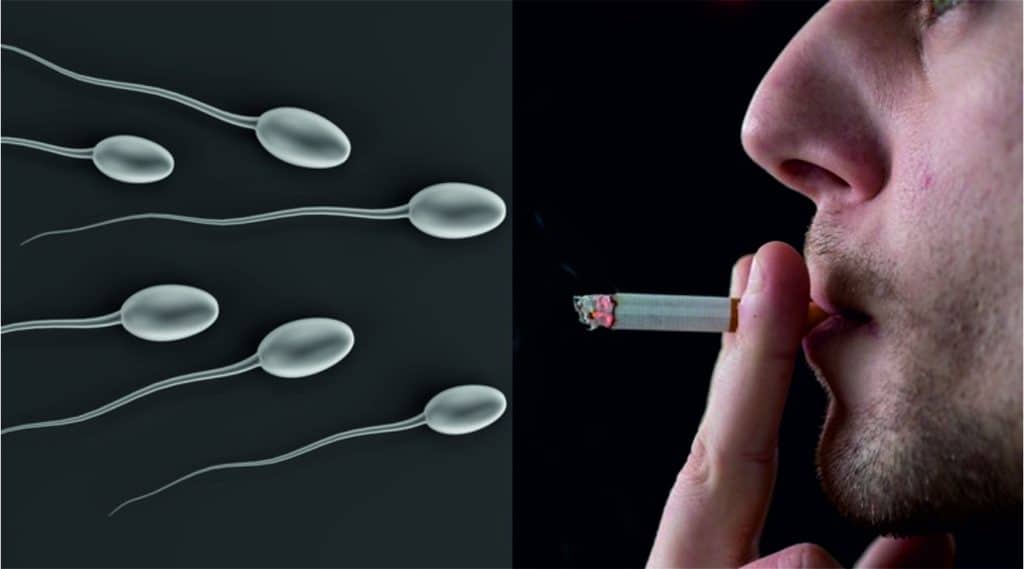
Smoking cannabis can harm fertility, similar to smoking tobacco. For men, smoking can decrease the quantity and quality of sperm, making it more difficult to achieve pregnancy. Studies have shown that cannabis use can lower sperm count, reduce sperm motility, and increase the number of abnormally shaped sperm. This can lead to difficulty in achieving pregnancy and may require medical interventions like in vitro fertilization (IVF) or intracytoplasmic sperm injection (ICSI). For women, smoking cannabis can reduce the number of viable eggs, making it more challenging to conceive. Additionally, smoking can cause respiratory problems, which can also impact fertility. These respiratory problems can cause inflammation in the lungs and airways, which can lead to chronic respiratory conditions and reduce overall lung function. To avoid these negative effects on fertility, it is recommended to avoid smoking cannabis or tobacco altogether.
Other Factors That Impact Fertility
In addition to cannabis use, many other factors can impact fertility. Age is a significant factor, as fertility decreases as individuals age. Weight can also impact fertility, as being underweight or overweight can disrupt hormone levels and menstrual cycles. Diet and nutrition are important factors, as a balanced diet can provide the necessary nutrients for reproductive health. Stress is also a significant factor, as high levels of stress can disrupt hormone levels and menstrual cycles. Underlying health conditions, such as polycystic ovary syndrome (PCOS) and endometriosis, can also impact fertility. It is important to address any underlying health conditions and focus on overall health and wellness when trying to conceive. Consulting with a healthcare provider can provide personalized guidance on improving fertility.
Seeking Help If You Are Struggling to Conceive
Struggling with fertility can be a frustrating and emotionally taxing experience for both individuals and couples. Seeking help from a healthcare professional can be an important first step in identifying any underlying health conditions that may be impacting fertility. A healthcare professional may perform a physical examination and run various tests to determine if there are any issues with ovulation, sperm count, or hormone levels. They may also review lifestyle factors that could be contributing to fertility issues, such as weight, diet, and exercise habits. Additionally, a healthcare professional can provide support and guidance for individuals who are struggling with substance abuse, including cannabis use. They can provide resources and referrals for addiction treatment and counseling services, which can help individuals overcome substance abuse and improve their overall reproductive health.
Navigating Fertility and Cannabis Use
While cannabis use can have negative effects on fertility, it is important to remember that many factors impact fertility. If you are trying to conceive, it is important to focus on overall health and wellness, including a healthy diet, regular exercise, and stress management. If you are struggling with substance abuse, it is important to seek help from a healthcare professional to get the support and guidance you need.